Claim Free Estimates For Your Project
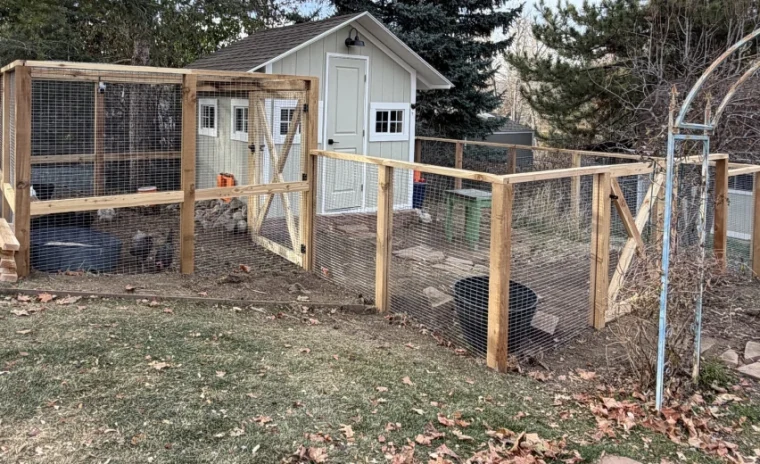
Install a Secure Dog Fence in Englewood, CO: Your Complete Guide
Step-by-Step Instructions for Pet Containment Success
What to Know Before Installing a Dog Fence
Dog fence installation involves designing and building a secure boundary that keeps your pet safely contained within your property while preventing escape or entry by other animals. For pet owners in Englewood and throughout the Denver metro area, a properly installed fence provides essential safety for dogs who need supervised outdoor time, especially given our proximity to busy roads, wildlife corridors, and open spaces. The right fence not only protects your pet but also respects neighborhood aesthetics and complies with local building codes and HOA requirements that are common throughout the area.
Before beginning any installation project, consider Englewood’s unique environmental factors. Our altitude and intense UV exposure can fade and degrade certain materials faster than in lower elevations. Winter freeze-thaw cycles challenge post stability, particularly in our clay-heavy soils that expand and contract seasonally. Spring often brings muddy conditions that delay ground work, while summer’s dry, hard-packed earth requires specialized equipment for post hole digging. These conditions make material selection and installation technique critical to long-term performance.
Pet owners face an important decision between DIY installation and professional services. While DIY projects may appear cost-effective initially, they require specialized tools, physical labor, precise measurements, and thorough knowledge of local codes and utility line locations. Professional installation through custom fencing services ensures proper post depth, level panels, secure gates, and pet-safe hardware from the start. Experienced installers understand soil conditions, drainage patterns, and grade challenges specific to Front Range properties, reducing the risk of costly mistakes or fence failure that could endanger your pet.
Types of Dog Fences: Which Material Fits Your Property?
Wood fencing remains a popular choice for dog containment, offering solid visual barriers that prevent outside distractions and provide privacy for both pets and owners. Cedar and pressure-treated pine stand up reasonably well to Colorado’s climate when properly maintained, though they require regular staining or sealing to combat UV damage and moisture penetration. Wood fences offer excellent customization in height and style, fitting well with traditional neighborhood aesthetics throughout Englewood and Littleton. The primary drawbacks include ongoing maintenance requirements and vulnerability to determined diggers or chewers.
Vinyl and composite materials like Trex provide low-maintenance alternatives that resist fading, warping, and insect damage. These materials perform exceptionally well in our high-altitude sun exposure and temperature swings, maintaining their appearance for years without painting or staining. While the initial investment runs higher than wood, the reduced maintenance costs and longer lifespan often balance the equation. Vinyl fences come in various styles and colors, allowing homeowners to match existing architecture while creating secure pet boundaries.
Chain link fencing offers the most economical option for large containment areas, providing durability and visibility at a lower price point. Galvanized or vinyl-coated chain link resists rust and corrosion in our variable climate, handling snow load and wind without damage. Many Englewood homeowners choose chain link for back or side yards where aesthetics matter less than function, then pair it with privacy slats or landscaping for improved appearance. The open weave allows air circulation and visibility, though it does not prevent your pet from seeing and reacting to passing activity.
Aluminum and ornamental iron fencing combines security with curb appeal, offering elegant designs that enhance property value while safely containing pets. Powder-coated finishes resist rust and fading, performing reliably through Colorado’s weather extremes. These materials work particularly well for front yard applications or properties with HOA architectural standards. The spacing between pickets requires careful specification to prevent small dogs from squeezing through, and professional installation ensures structural integrity against larger, stronger breeds. Custom Fence & Rail specializes in custom designs that balance safety requirements with aesthetic preferences, helping homeowners select materials that suit both their pets’ needs and their property’s character.
How Long Does Dog Fence Installation Take?
Professional dog fence installation begins with a thorough site assessment that examines property boundaries, grade changes, drainage patterns, existing structures, and underground utilities. Installers measure the perimeter, identify access points for gates, and discuss design preferences with homeowners. This initial consultation typically takes one to two hours and allows the installation team to identify potential challenges such as rocky soil, tree roots, or steep slopes that affect project scope and timeline. Material selection follows the assessment, with delivery scheduled based on product availability and weather forecasts.
Ground preparation and layout come next, involving careful marking of fence lines, corner posts, and gate locations using string lines and stakes to ensure straight runs and proper angles. Post hole digging represents the most labor-intensive phase, particularly in Englewood’s challenging soil conditions. Professional installers use power augers or hydraulic equipment to reach proper depths, typically 24 to 36 inches depending on fence height and soil type. Our clay soils require extra attention to drainage and concrete mixing to prevent post heaving during freeze-thaw cycles. This phase usually takes one to two days for an average residential perimeter.
Post installation and concrete setting require precision and patience. Posts must be plumb, properly spaced, and securely anchored before panel installation can begin. Concrete needs adequate curing time, typically 24 to 48 hours, before bearing the weight and stress of fence panels. Spring installations sometimes face delays when unexpected rain saturates the ground or prevents concrete from setting properly. Summer projects benefit from faster curing times but require early morning starts to avoid working in afternoon heat that affects both workers and certain materials.
Panel attachment and finishing complete the installation. Rails connect posts, pickets or boards fill the framework, and gates receive hardware and adjustment for smooth operation. Professional installers ensure consistent height, check for gaps that pets might exploit, and verify that all fasteners are secure and properly countersunk. Final inspection covers gate function, structural integrity, and appearance. Most residential installations spanning 150 to 300 linear feet take three to five days from start to finish, though complex projects with elevation changes or custom features may extend longer. Winter installations are possible during mild periods but may require scheduling flexibility around frozen ground and snow. Custom Fence & Rail provides accurate timeline estimates and free consultations that account for your specific property conditions and project scope, ensuring realistic expectations and quality results.
Should You DIY or Hire a Professional for Dog Fence Installation?
The decision between DIY and professional installation hinges on multiple factors including budget, available time, physical capability, tool access, and risk tolerance. DIY projects initially appear less expensive since you avoid labor costs, but this calculation often overlooks hidden expenses such as tool rental, permit fees, material waste from errors, and the value of your own time. A weekend warrior approach to dog fence installation can easily stretch into weeks of evening and weekend work, particularly when facing unexpected challenges like hitting rock layers, discovering utility lines, or dealing with property grade issues that require problem-solving and additional materials.
Professional installation brings specialized expertise that ensures compliance with Englewood building codes, setback requirements, and HOA architectural guidelines that vary considerably across neighborhoods. Installers know precisely where to call for utility locates, how deep to set posts in our soil conditions, and which hardware specifications provide secure, pet-safe results. They carry insurance that protects homeowners from liability if accidents occur during construction, and they warranty their work against installation defects. Professional crews complete in days what might take a novice weeks, using commercial-grade tools and proven techniques that deliver straight lines, plumb posts, and level panels.
DIY installations carry significant risks when precision matters for pet safety. Posts set too shallow may lean or fail, creating gaps large enough for escape. Incorrect panel spacing leaves openings that small dogs exploit. Poorly hung gates sag, bind, or fail to latch securely. Sharp edges, protruding screws, or splinters can injure pets. These errors often go unnoticed until a pet escapes or gets hurt, at which point repairs cost more than professional installation would have initially. Additionally, code violations discovered during home sales or after neighbor complaints can require expensive corrections or complete removal and reinstallation.
Material selection represents another area where professional guidance proves valuable. Experienced installers help homeowners choose products suited to their specific dogs, considering factors like breed size, jumping ability, digging tendencies, and chewing behavior. They understand which materials perform best in Colorado’s climate and which finishes resist fading in our intense sun. Custom Fence & Rail offers design consultation services that help you make informed choices about materials, height, gate placement, and features that address your unique situation. The long-term durability and safety that professional installation provides typically outweigh the initial cost difference, particularly when you factor in the likelihood of DIY errors and the time investment required to learn and execute proper techniques. You can view examples of properly installed projects in our gallery to see the quality difference professional installation makes.
Maintaining Your Dog Fence: Tips for Longevity
Regular maintenance extends your dog fence’s lifespan and ensures continued safety for your pet. Annual inspections should examine posts for stability, checking that they remain plumb and firmly anchored despite freeze-thaw movement in our clay soils. Look for cracks in concrete footings, rust on metal components, rot in wood posts, and loose or missing fasteners. Gates require particular attention since their moving parts experience the most wear. Check hinges for proper alignment, lubricate moving parts, verify that latches engage securely, and adjust as needed to prevent sagging or binding that compromises security.
Material-specific care varies considerably. Wood fences benefit from cleaning with mild detergent and water each spring to remove dirt, mold, and mildew that accumulate over winter. Reapply stain or sealant every two to three years to protect against UV damage and moisture penetration that Colorado’s intense sun and variable precipitation accelerate. Vinyl and composite materials require less intensive care, usually just periodic washing to remove dust and debris. Metal fences need inspection for rust or coating damage, with prompt treatment of any bare spots to prevent corrosion spread. Colorado’s dry climate generally favors metal fences, but winter road salt and pet urine can accelerate deterioration if not addressed.
Seasonal maintenance addresses specific challenges throughout the year. Spring inspections catch winter damage from snow load, ice accumulation, and freeze-thaw cycles before problems worsen. Clear debris that has accumulated against fence lines, as decomposing organic matter holds moisture against posts and panels. Summer requires monitoring for pest activity such as carpenter ants or termites in wood fences, and checking that intense sun has not dried out wood to the point of splitting. Fall preparations include trimming vegetation away from fence lines to prevent moisture retention and removing anything that could trap snow against the structure. Winter care involves promptly clearing heavy snow from horizontal rails and ensuring gates remain functional despite ice buildup.
Professional maintenance services catch developing problems before they become expensive repairs or safety hazards. Trained technicians spot subtle signs of deterioration that homeowners often miss, such as early post rot, developing cracks, or hardware wear that will soon fail. They can tighten connections, reinforce weak sections, replace damaged components, and reapply protective finishes using professional-grade materials and techniques. Custom Fence & Rail provides repair and maintenance services that keep your investment in top condition, protecting both your property value and your pet’s safety. Contact us through our online form to schedule an inspection or discuss maintenance needs specific to your fence type and local conditions.